QR Code Mania
GREG KAHN
AUG 24, 2023

What’s Next for QR Codes?
It’s not hype: The “quick response” smartphone scanning tool’s ability to seamlessly blend physical and digital is a strategic advantage — something that’s being realized in other mobile-first countries.
QR codes are hot. Really. However, like many technologies with the hybrid digital and physical properties, it tends to be hotter outside the US
I was thinking of how QR codes are such an adaptable form of media/tech as I visited the beach last weekend. A plane was flying overhead with an advertising banner flapping from its tail. I can’t recall what the marketing message was.
But if there had been a QR code fixed to its banner, I might have aimed my phone at it and tried to see what it was. It could have been an appealing ad that made me want to share an image or inspire a purchase. I’ll never know and neither will the company that bought that ad trying to capture me and my fellow beachgoers.
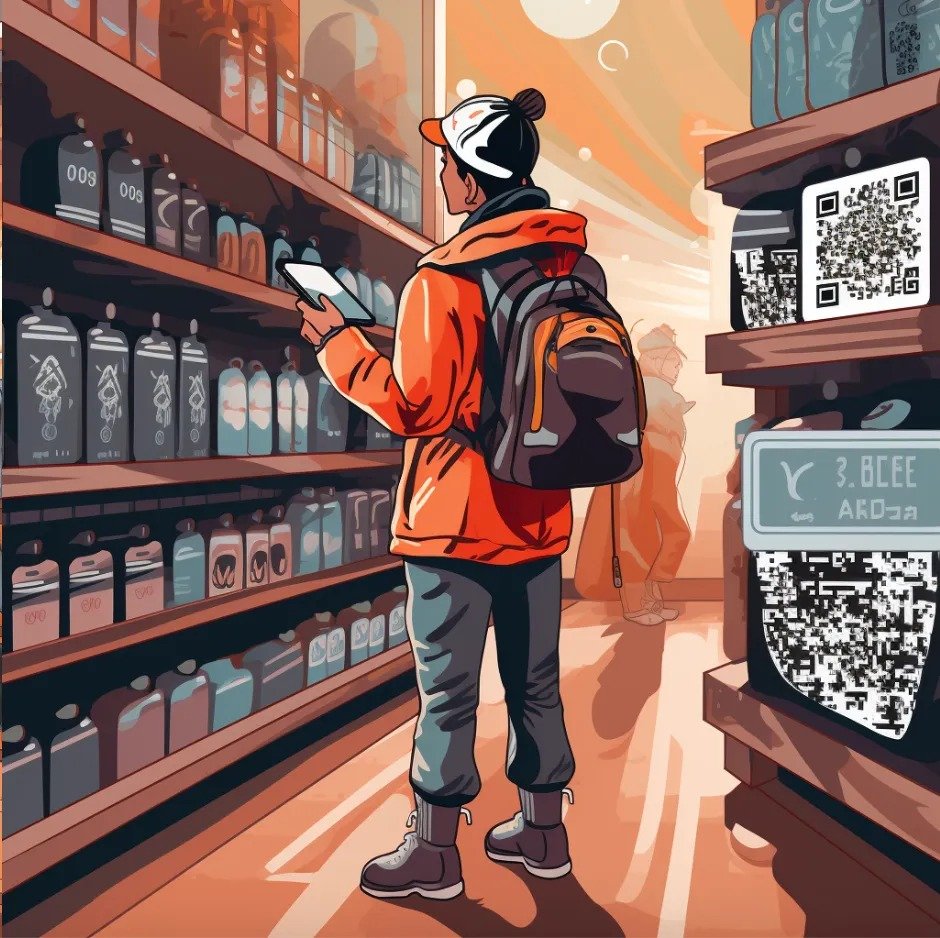
The return of QR codes
It’s tempting to think that QR codes hit the peak of the recent Hype Cycle during the depths of the pandemic. That’s when restaurant patrons shivering in outdoor sheds rediscovered the 1990s tech artifact as a way to access contactless menus on their smartphones.
Or maybe the Hype Cycle height was when then high-flying crypto exchange Coinbase ran its Super Bowl 2022 ad that consisted simply of a colorful QR code floating from one edge of the TV screen to the other. The image, when scanned, led to a link where viewers could sign up for the cryptocurrency exchange to redeem $15 worth of free bitcoin (then worth about 0.00036 BTC).
Despite the seeming indifference among technologists and marketing mavens since then, the QR code landscape has continued to find new use cases as a way to extend social media advertising. One of the most clever examples was QR code generator Flowcode’s recent out of home marketing activation between family fashion and lifestyle brand Barefoot Dreams and the Barbie movie.

A lack of respect
QR codes have never gotten the respect they deserve. Maybe it's their design simplicity (or inscrutability, depending on your viewpoint). These series of pixelated squares of varying sizes aren’t meant to be discerned or even appreciated by the human eye. But Flowcode is one of the few companies to ask: maybe these geometric figures can have a burst of color and personality. (It’s worth noting that Flowcode was founded by former AOL CEO Tim Armstrong,)
QR codes have the potential to transform customer engagement. It’s their ability to seamlessly blend the physical and digital realms that can make these mobile tools such a strong strategic advantage. QR codes are not just symbols; they are gateways to enhanced engagement and a future where personalized digital experiences are the norm.
As opposed to trying to inspire search activity, the ease of pointing a mobile phone at these boxy images can help companies create immersive experiences that foster brand loyalty by connecting directly with consumers and prospects. A QR code is the definition of elevated customer engagement in 2023.
Where QR codes are heading
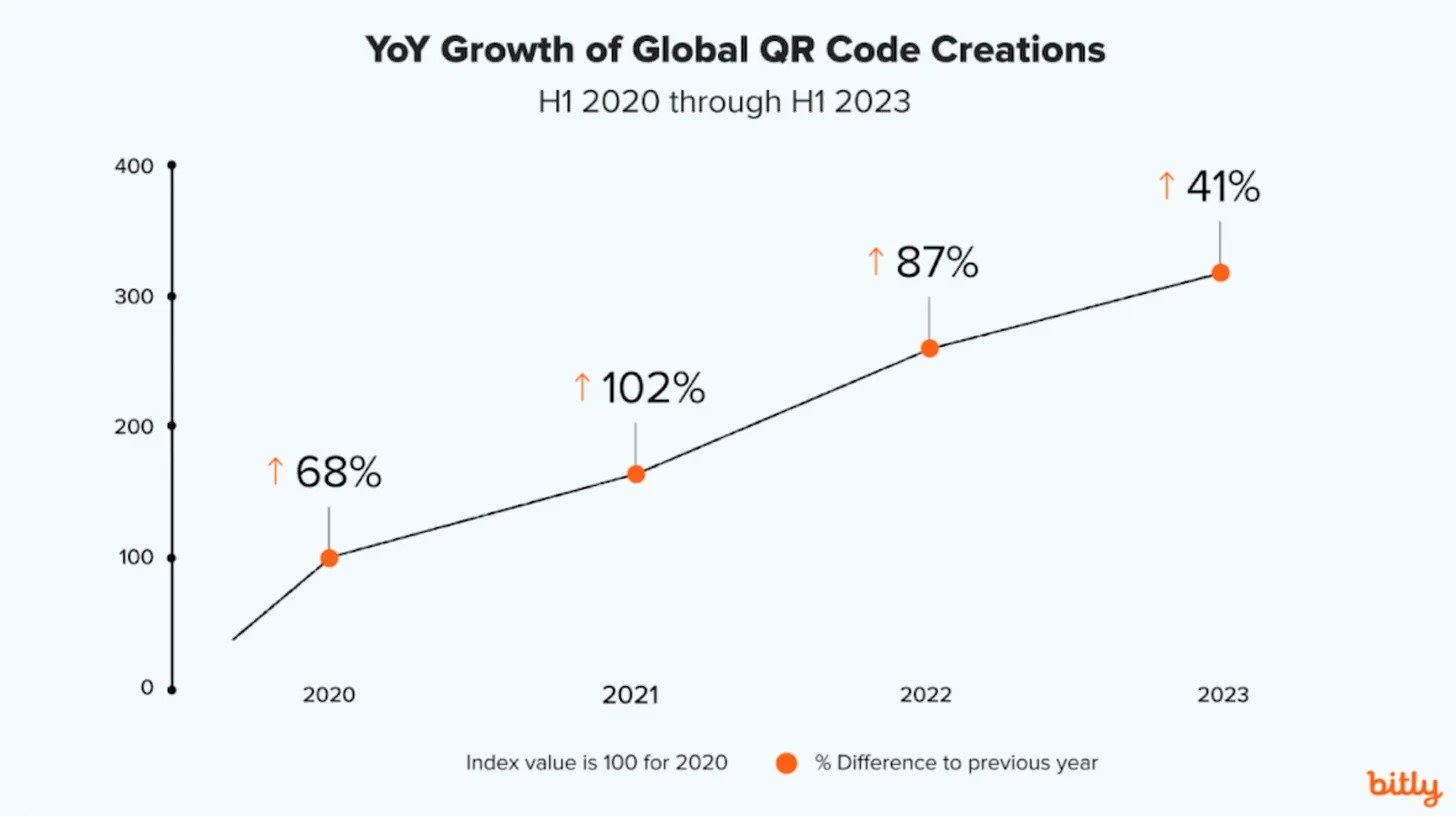
Is there QR code fatigue, given their wide association with restaurant menus during the pandemic? According to Bitly, which also operates a QR code generator and therefore has some bias, In the first half of 2023, it claimed to see a 41% growth in global QR Code creations compared to the same period last year.
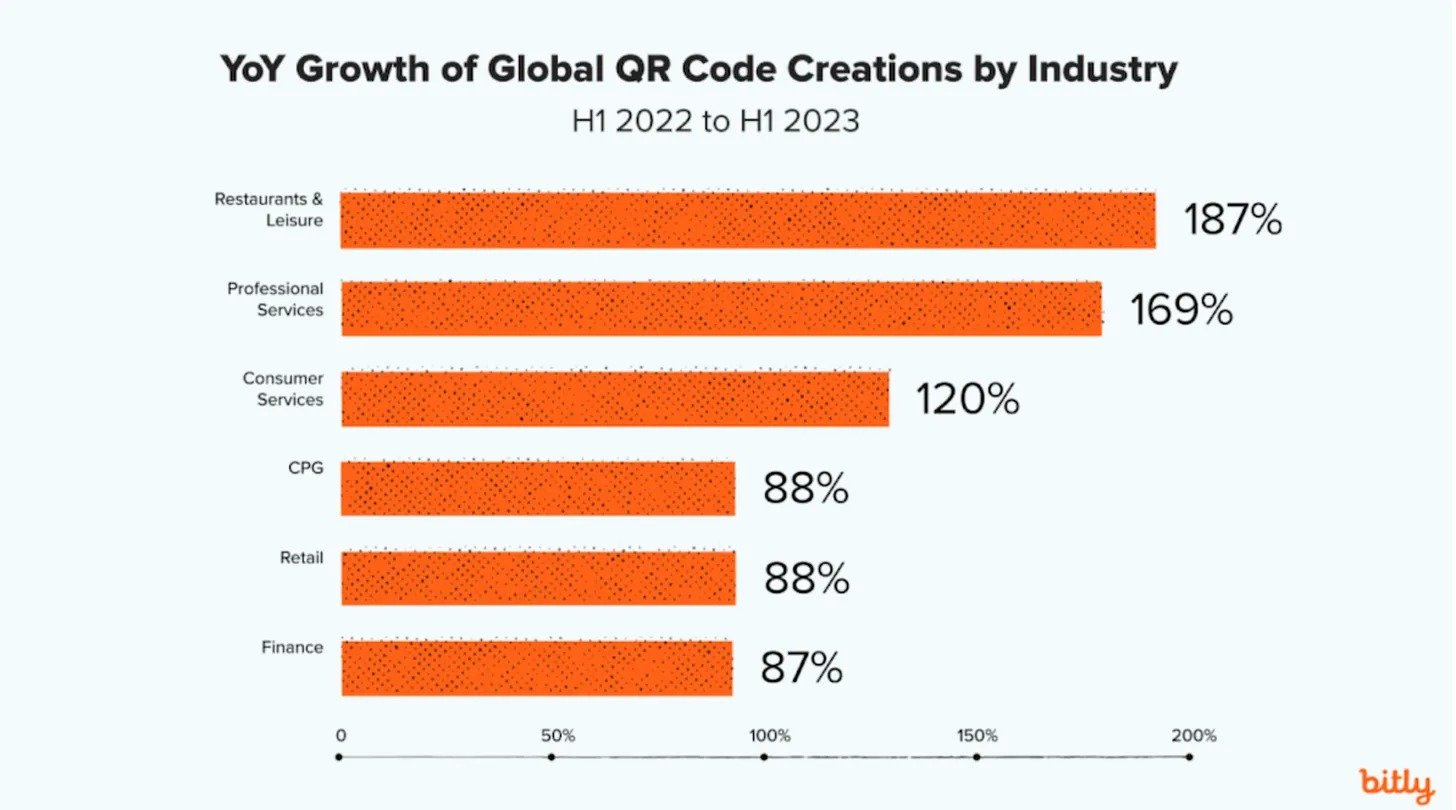
According to Bitly’s report, retail and consumer packaged goods companies drove an 88% increase in QR Code creations in 2023 as global standards moved away from traditional barcodes and toward 2D barcodes.
Still not convinced of QR codes’ staying power? That may have something to do with where you live. As I’ve noted many times, the US doesn’t necessarily set the pace for technology uses.
Bitly’s report notes that the Middle East and North Africa regions saw QR Code creations surge by 66% compared to the same period in 2022. It’s a clear sign that these mobile-first cultures are more taken with the mobile-centric QR codes.
As we stand at the cusp of web3 and the digital transformation of physical touchpoints, QR codes are poised to redefine convenience and engagement in the years to come.
From contactless payments to seamlessly guiding users to a multitude of digital experiences, QR codes can be integrated with data analytics and CRM tools, propelling this technology beyond mere engagement tools to comprehensive solutions for brands.
Consider QR codes as a pathway for data collection and analytics. They’re a natural element in gathering first-party consumer data, something increasingly essential as the third-party cookie depreciates as a targeting method.
From their inception in 1994 to the present day, QR codes have transcended expectations, and their journey is far from over.
What’s your take?
Are QR Codes gaining or losing relevance for consumers, platforms, and brands?
Drop me a note or a comment below or on LinkedIn or in my X feed.
Thank you for reading Beyond the Hype Cycle?.
This post is public so feel free to share it.

Greg Kahn
GK Digital Ventures
Greg Kahn is a catalytic force in the technology, media and entertainment industries, renowned for connecting innovators with investors, growing brands and driving billions of dollars in transactional deals. Learn More >